
Adhesive tapes are essential consumables in factories, warehouses, and logistics operations. Two of the most commonly used tapes are BOPP tape and masking tape. Although they may look similar to some users, both tapes are designed for very different industrial purposes.
Using the wrong tape can lead to packaging failures, surface damage, or unnecessary costs. This guide clearly explains the difference between BOPP tape and masking tape, helping industrial buyers choose the right option.
What Is BOPP Tape?
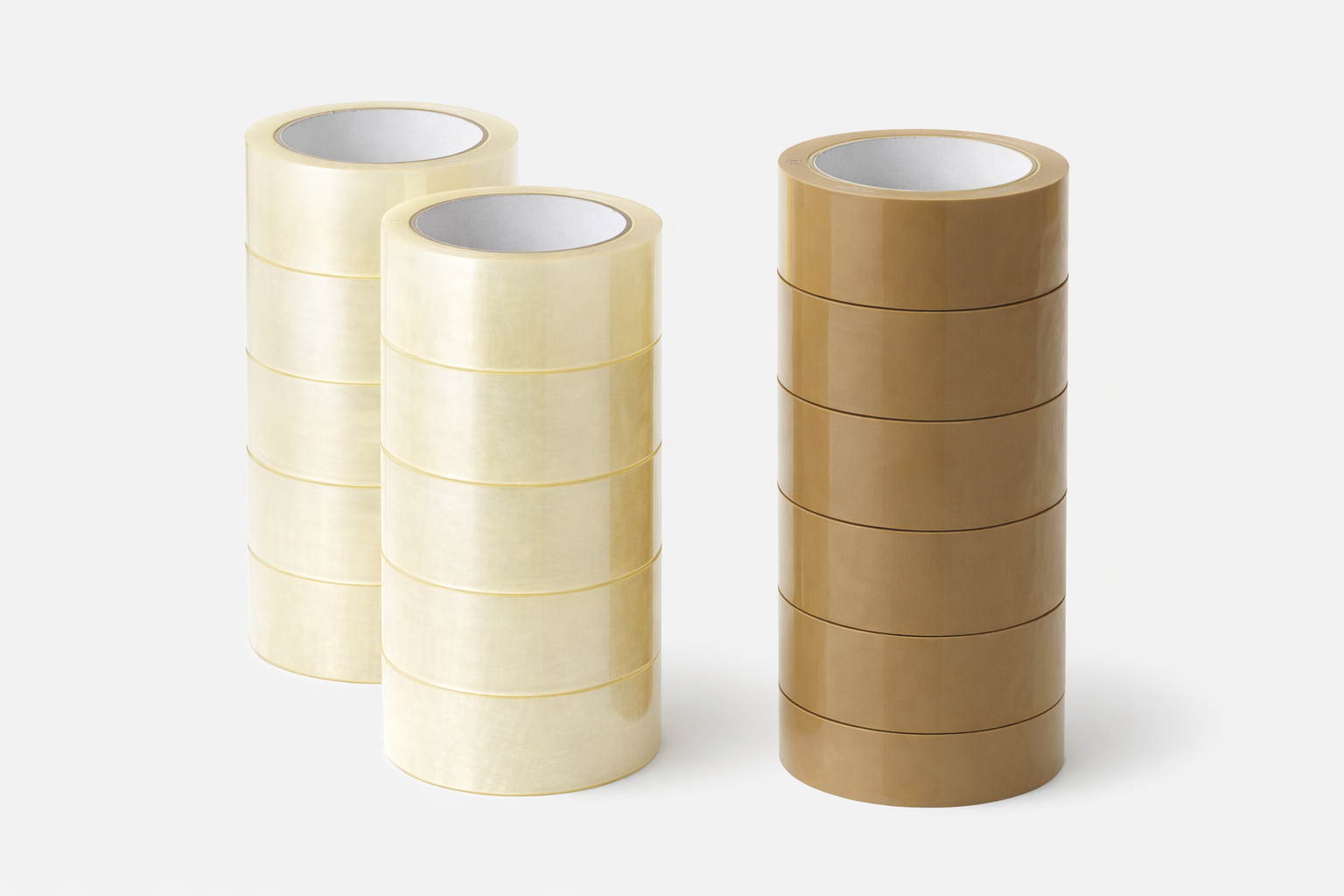
BOPP (Biaxially Oriented Polypropylene) tape is primarily used for packaging and carton sealing. It is designed to provide strong adhesion and secure holding during storage and transportation.
Key characteristics:
- Strong adhesive strength
- High tensile strength
- Resistant to moisture and temperature changes
- Designed for permanent sealing
Common industrial uses:
- Carton sealing and box packaging
- Warehouse dispatch and logistics
- Storage and shipment of goods
- Export and transportation packaging
BOPP tape is a functional packaging tape, not meant for surface protection or temporary applications.
What Is Masking Tape?
Masking tape is designed for temporary applications where easy removal without residue is required. It uses a paper-based backing with mild adhesive.
Key characteristics:
- Easy to tear by hand
- Clean removal without residue
- Suitable for short-term use
- Not designed for heavy load or sealing
Common industrial uses:
- Surface masking during painting
- Temporary labeling and marking
- Light bundling
- Short-term surface protection
Masking tape is not suitable for packaging or load-bearing applications.
BOPP Tape vs Masking Tape: Key Differences
| Aspect | BOPP Tape | Masking Tape |
|---|---|---|
| Primary purpose | Packaging & sealing | Temporary masking |
| Adhesive strength | High | Low to medium |
| Backing material | Polypropylene film | Paper |
| Removability | Permanent | Clean removal |
| Load bearing | Yes | No |
Choosing the Right Tape for Industrial Use
Use BOPP Tape when:
- Sealing cartons and boxes
- Packing goods for transport
- Handling warehouse dispatch
- Long-term storage is required
Use Masking Tape when:
- Masking surfaces during painting
- Temporary marking or labeling
- Protecting surfaces from dust or paint
- Easy removal is required
Many factories use both tapes, assigning them based on application rather than substituting one for the other.
Common Mistakes in Industrial Tape Usage
- Using masking tape for carton sealing
- Using BOPP tape on painted or finished surfaces
- Expecting masking tape to hold heavy loads
- Selecting tape based only on price
Using the correct tape reduces material wastage, rework, and operational delays.
Recommended Industrial Specifications
For most factories and warehouses:
- BOPP Tape: 48 mm width, 65 meters length
- Masking Tape: 1 inch & 2 inch widths, 20 m or 40 m lengths
These specifications cover the majority of industrial use cases.
Final Recommendation
BOPP tape and masking tape are not interchangeable.
Each serves a specific industrial function.
- Choose BOPP tape for packaging and logistics
- Choose masking tape for temporary protection and surface work
Understanding this distinction helps factories improve efficiency, reduce tape consumption, and maintain operational quality.
At Viyara Industries, we supply industrial-grade BOPP tapes and masking tapes suitable for factory and warehouse applications, ensuring consistent quality and dependable supply for daily operations.